- Our Location 18920 Statesville Rd. Cornelius, NC
- Hours M-F 7a-7p, Sat 8a-5p, Sun 9a, 12p, OR 5p
- Phone Call/Text (704) 896-6770
When you need animal boarding near me, you're choosing between several care models, each serving different needs, budgets, and temperaments. The right fit depends on your pet's personality and your travel duration.
Kennel and Cage-Free Facilities
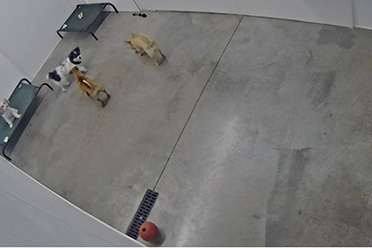
Traditional kennels use individual enclosures, while cage-free boarding offers open-play environments where dogs socialize all day.
Pet Hotels and Suite-Style Boarding
Pet hotels feature private suites with elevated beds, climate control, and sometimes webcam monitoring.
Daycare and Day-Play Services
Day-play services keep your dog active during work hours without overnight boarding, offering supervised group play for exercise and mental stimulation. Many facilities offer both daycare and overnight boarding for schedule flexibility.
Pet Sitting as an Alternative
Pet sitters visit your home, offering a low-stress alternative for pets with severe separation anxiety or frequent medication needs.
Finding the right animal boarding near me involves research, evaluation, and direct communication to ensure your pet receives appropriate care.

Step 1: Search for Nearby Providers and Check Availability
Search for animal boarding near me or pet boarding facilities in your area using online directories, Google Maps, and local recommendations.
Step 2: Evaluate Facility Features and Safety Standards
Look beyond amenities: assess cage-free care, social play, or suite-style boarding, webcam or photo monitoring, vaccination and health screening protocols, and staff-to-pet ratios.
Step 3: Review Customer Ratings and Credentials
Read recent reviews on Google, Yelp, and the facility's website, looking for patterns: consistent praise for staff, cleanliness, or pet happiness signals a well-run operation.
Step 4: Tour the Facility and Ask Critical Questions
Visit in person before booking to observe cleanliness, temperature control, and play areas, and watch how staff interact with animals.
Step 5: Book Your Reservation
Book early, especially for holidays or peak seasons, and confirm all details in writing: dates, services, special instructions, emergency contacts, and total cost.
Preparation reduces stress for both you and your dog, and first-timers benefit from gradual acclimation.
Start Early and Visit the Facility
Introduce your dog to the facility weeks before your trip with a tour or short playdate so they become familiar with the environment, staff, and other animals.
Pack Familiar Items and Medications
Bring favorite toys, bedding, or blankets that smell like home, plus enough food for dietary restrictions. Include medications with dosage instructions and administration times, written feeding schedules, behavioral notes, emergency contacts, your veterinarian's details, and recent photos in case your dog escapes.
Manage Separation Anxiety and Special Needs
Dogs with separation anxiety may benefit from anti-anxiety supplements or medications prescribed by your vet; ask whether the facility can administer them. Discuss triggers and coping strategies, and communicate any special handling needs due to age, health, or temperament in writing at check-in.
Most facilities require proof of current vaccinations before boarding. This protects all animals from contagious diseases.
Required Vaccinations Before Boarding
Rabies is standard and legally required in most states, DHPP (distemper, hepatitis, parvovirus, parainfluenza) is typically mandatory, and Bordetella (kennel cough) is strongly recommended for group settings. Some facilities require Lyme vaccination depending on region. Ask which vaccinations they require, request documentation from your vet, and schedule shots at least two weeks before boarding.
Health Documentation and Emergency Protocols
Bring recent health records, vaccination certificates, and medical history, and disclose chronic conditions, allergies, or medications. Provide written emergency authorization for veterinary care, ask about their veterinary partnerships and emergency handling, and confirm they have your emergency contacts and vet's details.
Nightly rates are what most owners search for. Treat pricing as a total-cost exercise, not a single figure.
Typical Rate Ranges by Care Model
Rates vary widely by market. Always confirm the current rate for your specific dates and pet.
The Line Items That Change Your Total
Ask every provider for a written, itemized estimate covering the full stay. Common add-ons include:
How to Compare Two Providers Fairly
A $40-per-night facility and a $55-per-night facility can end up costing the same, or the cheaper one can cost more. Compare using the same inputs for each provider:
That final number is the only one worth comparing.
Pro Tip Request the itemized estimate in writing before you pay a deposit. A provider that will not put fees in writing is a provider you cannot budget for.
Questions That Reveal Hidden Costs
Getting these answers before booking turns an unpredictable bill into a known expense.
Screening works in two directions: you screen the facility, and the facility screens your pet. A provider that skips either side is a risk, so use this checklist as a repeatable process.
Step 1: Verify the Business Before You Visit
Step 2: Read Reviews Like an Investigator
Star ratings alone tell you little. Look for patterns:
Step 3: Assess Supervision and Group Management
Step 4: Confirm Health and Sanitation Protocols
Step 5: Pressure-Test the Emergency Plan
Step 6: Screen Your Own Pet Honestly
Facilities rely on accurate disclosure. Before booking, answer these for yourself:
Share the answers in writing at check-in. A provider who welcomes this information is one that plans for your pet as an individual.
Watch Out If a facility cannot clearly describe its emergency veterinary plan, its staff-to-pet ratio, or its vaccination requirements, treat that as a disqualifying gap, not a detail to sort out later.
A Quick Decision Framework
Score each candidate on the six steps above. A provider strong on amenities but weak on supervision, sanitation, or emergency planning is not a safe choice, no matter how comfortable the suites look. Modest facilities with clear protocols and transparent answers are usually the better bet.
Most boarding facilities require dogs to be current on rabies, DHPP (distemper, hepatitis, parvovirus, parainfluenza), and bordetella (kennel cough) vaccines. Some facilities also require proof of a negative fecal test. Always confirm specific vaccination requirements with your chosen facility before your dog's stay, as policies vary. Bring vaccination records to drop-off to speed up the check-in process.
Start by scheduling a visit to the facility so your dog becomes familiar with the environment and staff. Pack items with your dog's scent, including a favorite toy or blanket. Provide detailed feeding instructions, medication information, and emergency contact details. Practice short separations before the stay to reduce anxiety. If your dog has separation anxiety, discuss calming strategies with the facility staff during your consultation.
Boarding costs vary based on facility type, location, and services included. Additional fees may apply for special diets, medication administration, grooming, or extended play sessions. Holiday surcharges are common during peak travel periods. Contact your local provider directly for current pricing and to understand exactly what's included in their nightly rate.
Boarding facilities offer supervised social play, structured activities, and professional staff on-site 24/7, making them ideal for social dogs and longer stays. Pet sitters provide one-on-one attention and keep your dog in a familiar home environment, which suits anxious or elderly dogs better. Consider your dog's temperament, your trip length, and your budget. Many pet owners use both services depending on their needs and their dog's comfort level.
When you need animal boarding near me, you're choosing between several care models, each serving different needs, budgets, and temperaments. The right fit depends on your pet's personality and your travel duration.
Kennel and Cage-Free Facilities
Traditional kennels use individual enclosures, while cage-free boarding offers open-play environments where dogs socialize all day.
Pet Hotels and Suite-Style Boarding
Pet hotels feature private suites with elevated beds, climate control, and sometimes webcam monitoring.
Daycare and Day-Play Services
Day-play services keep your dog active during work hours without overnight boarding, offering supervised group play for exercise and mental stimulation. Many facilities offer both daycare and overnight boarding for schedule flexibility.
Pet Sitting as an Alternative
Pet sitters visit your home, offering a low-stress alternative for pets with severe separation anxiety or frequent medication needs.
Finding the right animal boarding near me involves research, evaluation, and direct communication to ensure your pet receives appropriate care.
[Image: Pet owner meeting with staff at a clean facility for animal boarding near me with comfortable play areas.]
Step 1: Search for Nearby Providers and Check Availability
Search for animal boarding near me or pet boarding facilities in your area using online directories, Google Maps, and local recommendations.
Step 2: Evaluate Facility Features and Safety Standards
Look beyond amenities: assess cage-free care, social play, or suite-style boarding, webcam or photo monitoring, vaccination and health screening protocols, and staff-to-pet ratios.
Step 3: Review Customer Ratings and Credentials
Read recent reviews on Google, Yelp, and the facility's website, looking for patterns: consistent praise for staff, cleanliness, or pet happiness signals a well-run operation.
Step 4: Tour the Facility and Ask Critical Questions
Visit in person before booking to observe cleanliness, temperature control, and play areas, and watch how staff interact with animals.
Step 5: Book Your Reservation
Book early, especially for holidays or peak seasons, and confirm all details in writing: dates, services, special instructions, emergency contacts, and total cost.
Preparation reduces stress for both you and your dog, and first-timers benefit from gradual acclimation.
Start Early and Visit the Facility
Introduce your dog to the facility weeks before your trip with a tour or short playdate so they become familiar with the environment, staff, and other animals.
Pack Familiar Items and Medications
Bring favorite toys, bedding, or blankets that smell like home, plus enough food for dietary restrictions. Include medications with dosage instructions and administration times, written feeding schedules, behavioral notes, emergency contacts, your veterinarian's details, and recent photos in case your dog escapes.
Manage Separation Anxiety and Special Needs
Dogs with separation anxiety may benefit from anti-anxiety supplements or medications prescribed by your vet; ask whether the facility can administer them. Discuss triggers and coping strategies, and communicate any special handling needs due to age, health, or temperament in writing at check-in.
Most facilities require proof of current vaccinations before boarding. This protects all animals from contagious diseases.
Required Vaccinations Before Boarding
Rabies is standard and legally required in most states, DHPP (distemper, hepatitis, parvovirus, parainfluenza) is typically mandatory, and Bordetella (kennel cough) is strongly recommended for group settings. Some facilities require Lyme vaccination depending on region. Ask which vaccinations they require, request documentation from your vet, and schedule shots at least two weeks before boarding.
Health Documentation and Emergency Protocols
Bring recent health records, vaccination certificates, and medical history, and disclose chronic conditions, allergies, or medications. Provide written emergency authorization for veterinary care, ask about their veterinary partnerships and emergency handling, and confirm they have your emergency contacts and vet's details.
Nightly rates are what most owners search for. Treat pricing as a total-cost exercise, not a single figure.
Typical Rate Ranges by Care Model
Rates vary widely by market. Always confirm the current rate for your specific dates and pet.
The Line Items That Change Your Total
Ask every provider for a written, itemized estimate covering the full stay. Common add-ons include:
How to Compare Two Providers Fairly
A $40-per-night facility and a $55-per-night facility can end up costing the same, or the cheaper one can cost more. Compare using the same inputs for each provider:
That final number is the only one worth comparing.
Pro Tip Request the itemized estimate in writing before you pay a deposit. A provider that will not put fees in writing is a provider you cannot budget for.
Questions That Reveal Hidden Costs
Getting these answers before booking turns an unpredictable bill into a known expense.
Screening works in two directions: you screen the facility, and the facility screens your pet. A provider that skips either side is a risk, so use this checklist as a repeatable process.
Step 1: Verify the Business Before You Visit
Step 2: Read Reviews Like an Investigator
Star ratings alone tell you little. Look for patterns:
Step 3: Assess Supervision and Group Management
Step 4: Confirm Health and Sanitation Protocols
Step 5: Pressure-Test the Emergency Plan
Step 6: Screen Your Own Pet Honestly
Facilities rely on accurate disclosure. Before booking, answer these for yourself:
Share the answers in writing at check-in. A provider who welcomes this information is one that plans for your pet as an individual.
Watch Out If a facility cannot clearly describe its emergency veterinary plan, its staff-to-pet ratio, or its vaccination requirements, treat that as a disqualifying gap, not a detail to sort out later.
A Quick Decision Framework
Score each candidate on the six steps above. A provider strong on amenities but weak on supervision, sanitation, or emergency planning is not a safe choice, no matter how comfortable the suites look. Modest facilities with clear protocols and transparent answers are usually the better bet.
Most boarding facilities require dogs to be current on rabies, DHPP (distemper, hepatitis, parvovirus, parainfluenza), and bordetella (kennel cough) vaccines. Some facilities also require proof of a negative fecal test. Always confirm specific vaccination requirements with your chosen facility before your dog's stay, as policies vary. Bring vaccination records to drop-off to speed up the check-in process.
Start by scheduling a visit to the facility so your dog becomes familiar with the environment and staff. Pack items with your dog's scent, including a favorite toy or blanket. Provide detailed feeding instructions, medication information, and emergency contact details. Practice short separations before the stay to reduce anxiety. If your dog has separation anxiety, discuss calming strategies with the facility staff during your consultation.
Boarding costs vary based on facility type, location, and services included. Additional fees may apply for special diets, medication administration, grooming, or extended play sessions. Holiday surcharges are common during peak travel periods. Contact your local provider directly for current pricing and to understand exactly what's included in their nightly rate.
Boarding facilities offer supervised social play, structured activities, and professional staff on-site 24/7, making them ideal for social dogs and longer stays. Pet sitters provide one-on-one attention and keep your dog in a familiar home environment, which suits anxious or elderly dogs better. Consider your dog's temperament, your trip length, and your budget. Many pet owners use both services depending on their needs and their dog's comfort level.

18
Nov
Learn how to find reliable animal boarding near you. Compare options, prepare your pet, and choose s...
Read More
17
Nov
See what dog daycare pricing in Cornelius actually covers: daily rates, packages, add-on fees and ho...
Read More
02
Nov
Finding animal daycare near me starts with mapping every option inside your normal driving radius, t...
Read More© Paws Life All rights reserved | Mobile-ready websites by Web Station Inc.