- Our Location 18920 Statesville Rd. Cornelius, NC
- Hours M-F 7a-7p, Sat 8a-5p, Sun 9a, 12p, OR 5p
- Phone Call/Text (704) 896-6770
Quick Summary
Dog grooming tips for nervous pets are worth trying because they replace force with gradual exposure and counterconditioning, pairing each small step with a treat. Start with sessions under five minutes, build brush and paw tolerance one step at a time, and stop at the first hard signal. Nervous pets get patient handling, not a rush.
Dog grooming tips for nervous pets start with one hard truth: grooming is not optional, even when your dog hates it. Research on grooming-related concerns among companion animals notes that inadequate grooming can cause pain and discomfort and threaten a dog's health and well-being.
With over 25 years of pet care experience, the pattern is often the same. Fear builds when a dog feels trapped. A table, a loop, a buzzing clipper, strange hands. The fix is not force. It is a slower, kinder approach.
Learn the early signs, because a nervous dog gives you warnings long before a growl.
Watch out: a freeze is not calm. A dog that goes still and stiff is often the closest to a snap. Stop there, not later.
The best way to calm a dog before grooming is to burn off nervous energy first and lower the stakes second. A brisk walk before the session helps. So does a quiet room with no other pets.
Our staged plan works in short rounds:
Keep sessions under five minutes at first. A calm voice and relaxed body language matter more than the tool. For more on turning grooming into something your dog looks forward to, see our guide on how to make grooming an enjoyable experience.
[Image: Person gently brushing a calm dog on a soft mat to help nervous pets feel relaxed during home grooming]
Pick one spot and keep it consistent. A non-slip mat stops scrambling, which is a major trigger. Good light helps you work faster. Keep treats within reach and skip the crowd.
A lick mat smeared with peanut butter or wet food gives your dog something to do besides worry.
The article lays out a short daily progression that builds brush tolerance one small step at a time.
| Day | What to do |
|---|---|
| Day one | Let your dog sniff the brush on the floor, no touching |
| Day two | Touch the brush to the shoulder for two seconds |
| Day three | One gentle stroke on the back, then stop |
| Day four | Two strokes, then a break |
| Day five and beyond | Add a few seconds each time, always ending on a win |
Getting a dog used to grooming comes down to two ideas: gradual exposure and counterconditioning. Gradual exposure means small steps with no rush. Counterconditioning means pairing each step with something good, usually a treat.
Here is how the pairing works in practice:
Do this over days, not minutes. If your dog backs away, you moved too fast. Go back one step.
The order matters. Tool first, then treat, every time. That teaches your dog that the clippers predict chicken, not discomfort.
Use high-value treats your dog only gets during grooming. Praise in a calm, low voice. Never scold a nervous dog. Fear is not disobedience, and punishment makes the next session harder.
Nail trims fail for nervous dogs more often than any other grooming task, and the reason is mechanical: a nail trim requires holding a paw still while a metal tool closes near sensitive tissue. That combination of restraint and sound is what most dogs object to, not the nail itself. Selecting the best grooming tools helps minimize the mechanical discomfort of these sessions by ensuring that every interaction remains quiet and precise.
Before you pick up a trimmer, spend a week or two on handling only. During calm cuddle time, not during grooming:
If your dog pulls the paw away, you moved too fast. Go back to the previous step and repeat it for a few days.
Start with a single nail, then stop for the day even if your dog is doing well. Ending on a win is what makes the next session easier. A workable progression:
Hind nails are usually harder because the dog cannot see what is happening and the angle is awkward. Do front nails first, then work backward. If your dog freezes or pulls hard, end the session and try again tomorrow at a smaller step.
Never scruff, muzzle, or pin a nervous dog to finish a nail trim. Restraint escalation is the most common way a dog learns that nail care is a fight, and it is also the most common path to a bite. If you cannot do one nail safely, stop and book a professional or veterinary visit.
If your dog cannot tolerate even a paw hold after several weeks of daily practice, or if nails are overgrown enough to affect gait, do not keep trying alone. A groomer who handles nervous dogs, or your veterinarian, can do a short, low-stress trim and show you the handling pattern to practice at home. For dogs with a history of biting during nail care, a veterinary visit with pre-visit planning is safer than a home attempt.
Stop the session the moment your dog shows a hard signal: a growl, a snap, a stiff freeze, or frantic pulling. That is not failure. It is information.
Safety rules we follow every time:
Try again tomorrow, at a smaller step. Pushing through a hard stop teaches your dog that grooming is a fight.
Professional grooming for an anxious dog should look different from a standard quick-turn salon, and the difference is mostly in what happens before the appointment. A salon that suits a nervous dog will ask you questions, offer a visit with no grooming, and tell you plainly what it will and will not do if your dog panics. You can see friendly, low-stress dog grooming in Cornelius, NC and book it online.
Call ahead and ask these directly. The answers matter more than the decor:
Give the salon the information it needs to plan, in writing if possible:
Disclosing a bite history is not a reason to be turned away. It is a reason for the salon to plan a safer, shorter visit, and hiding it is how bites happen.
Watch how the groomer greets your dog. A handler who crouches, avoids looming over the dog, and lets the dog approach first is reading the dog's body language. A handler who reaches straight for the collar and lifts is not.
Consider booking a shorter first visit rather than a full groom so you can see how the salon handles your dog before committing to a full session.
Pricing depends on your dog's size, coat condition, and the time the appointment requires, so request a current quote from Paws Life's website rather than guessing.
Some fear needs more than patience. A vet can rule out pain, which is a common hidden cause of grooming resistance.
A certified behavior professional can build a formal desensitization plan for severe cases. Medication is sometimes part of that plan, and that is a decision for your vet, not a groomer. There is no shame in it. A dog that cannot be groomed safely is a welfare issue, not a training failure.
The right preparation can make a grooming appointment calmer. Our dog grooming appointment preparation and safety guide walks you through getting ready for the visit.
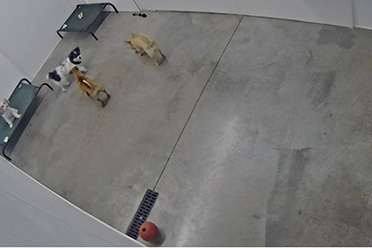
Paws Life is locally owned and mom-managed, with over 25 years of pet care experience. You can watch your dog through free HD webcams while in our care. Nervous pets get patient handling, not a rush.
book online when you are ready.
Start with short, low-pressure sessions and pair each tool with treats and praise. Skipping grooming because a dog is anxious can lead to pain, discomfort, and health risks, so the goal is building tolerance rather than avoiding it. Break grooming into small steps: let the dog sniff the brush, reward calm behavior, then brush for a few seconds at a time. For nervous pets, keep sessions under five minutes at first and end on a positive note before stress signals appear.
Exercise your dog earlier in the day so it arrives tired but not exhausted, and skip a heavy meal right before the visit. Practice calm behavior at home by rewarding relaxed body language, and bring a familiar toy or blanket. If your dog shows fear during nail trims or baths , tell the groomer in advance so they can adjust handling. A calm voice and patient handling from staff make a real difference.
Yes, stop when you see lip licking, yawning, restlessness, or attempts to pull away. These are stress signals, not stubbornness. Pushing through teaches a dog that grooming is something to fear and makes the next session harder. End the session, give a reward, and try again later with a shorter, easier step. Over several weeks, this approach can build grooming tolerance. If stress escalates to growling or snapping, pause and consult a veterinarian or behavior professional.
Ask directly how the salon handles nervous pets: whether they use breaks, a calm voice, and gradual tool introduction, and whether they will stop a session if stress signals appear. Look for a groomer who lets your dog sniff and explore the grooming space before starting and who welcomes questions about bite prevention and safe handling. Transparency matters, so ask whether you can observe or check in during the visit.
Nervous pets do not need a perfect owner. They need short sessions, steady patience, and a team that reads the signals. Paws Life offers low-stress grooming, suite-style boarding with elevated beds, and free HD webcams so you can check in anytime. Get started with Paws Life and give your dog a grooming day that ends calm, not scared.

26
Nov
Dog daycare cost in Cornelius varies by service type, so compare the fees that actually match. Learn...
Read More
26
Nov
Nervous pets need a gentler grooming plan. Learn 5 step-by-step tips to calm your dog before groomin...
Read More
26
Nov
Compare 7 dog boarding options for anxious dogs, learn what to ask and avoid, and get practical tips...
Read More© Paws Life All rights reserved | Mobile-ready websites by Web Station Inc.